Fencing Company Tips for Historic and Heritage Residences
Old houses use their tales on the outside. Cornices, patio braces, window muntins, even the path a front walk requires to the street, they all inform you what the people who developed them valued. A Fence fence on a heritage property needs to sign up with that discussion without yelling over it. That is the craft. A great Fencing Company treats the line between public and private like a joint on a customized jacket, exact and deliberate, not a wall dropped from the sky.
I have actually installed and recovered fencings around residences constructed before electrical power, prior to asphalt, also before indoor plumbing. The jobs that mature well do not chase after fads. They read the house, listen to the site, and respect regulations established by time and by the neighborhood commission. The following field notes come from those jobs, the ones that kept their patina while doing the everyday job of a fence: keep the pet in, slow down an intruder, structure the yard, and provide a home its position on the street.
The demands of history at the property line
Heritage districts care as much about rhythm and percentage as they do regarding specific products. A Greek Resurgence on a city block anticipates a low, uniformly spaced picket with squared blog posts and a simple cap. A Queen Anne suches as more play, occasionally an ornamental entrance pin or a finial on a newel. Rural farmhouses sit conveniently behind split rail or board-on-board that reviews farming. The point is not mimicry, it is coherence.
If you bring a modern privacy panel with a scalloped top to an 1880s exterior, you will certainly really feel the clash before a single fastener enters. The eye reviews scale from repeated aspects like pickets or rails. Wide picket spacing can make a fence appearance light-weight and out of period, also if the material is traditionally correct. That is why a seasoned fencing installer walks the street initially. Stand back throughout the means, capture the cornice line, matter tales, see the patio elevation. When percentages balance, the fencing goes away right into the era.
Reading your house, after that picking a fence
A home informs you its fencing if you allow it. The porch balustrade can establish picket density and spacing. The stair newel can recommend a message cap. Home window head height can educate the fence height at the front. I keep a notebook of measurements on site. A late Victorian deck typically runs a 2.25 inch baluster at 3.5 inches clear. Equate that language bent on the walkway, and you may arrive on a 1 by 3 picket at 2.5 inch spacing, 36 to 42 inches high. For a Craftsman bungalow, a simple square picket, perhaps 1.5 by 1.5, with a chamfered top and a significant 6 by 6 blog post, fits better.
Back gardens have more latitude. High personal privacy fencing rarely belongs on the road side of a historic home unless you have alley access or an edge lot with specific screening needs. Move elevation and solid panels to the back yard where daily living needs it. The transition needs to be graceful. I like to step up the fence elevation in 8 to 12 foot runs, matching your home massing so you do not obtain a sudden jump.
Permits, payments, and next-door neighbors, the choreography
Historic payments differ Fencing Contractors extensively. Some districts are stringent about front backyard fences and will define timber, height, and also the finish luster. Others focus just on the street-facing elevation. If you assume you will speak a commission right into a six foot plastic panel in the front lawn of a Federal, you will certainly lose months and a good reputation. Stroll in with illustrations the board can claim yes to.
Most cities with heritage areas call for a Certificate of Appropriateness. A skilled Fencing Contractor will collect period recommendations, scaled illustrations, and samples the payment can touch. In a coastal New England community I operate in, the board wants an altitude that reveals blog post spacing, picket account, and gate information to range, plus a website strategy with setback lines noted. Give specifics on materials and fasteners. Galvanized screws can look brilliant versus dark paint for several years unless you spec black-coated heads.
This is likewise where next-door neighbors enter. Historical roads are limited, and a fencing changes sightlines. I like to check out nearby proprietors with an illustration, both to be a good next-door neighbor and to eliminate underground mysteries. Old rock drains, unused gas laterals, hand-laid debris structures, they crisscross older lots. A discussion on a stoop has saved me from breaking two clay drains pipes and one antique irrigation line.
Here is a short pre-submittal list I utilize when shepherding a job via review.
- Photograph your house and both bordering homes from the street and edges, consisting of fencing context on the block.
- Measure and mark the front problem, any easements, and sight triangles at driveways or edges, after that sketch the fencing line over a survey or scaled plot plan.
- Pull sample accounts of pickets, rails, and article caps from brochures or custom millwork, with measurements called out.
- List material varieties, ended up measurements, and equipment specifications, including coating kind and color, so the evaluation body is not guessing.
- Flag all utilities with the locator solution and map out downspouts, drains pipes, and root zones for trees greater than 8 inches in diameter.
Materials that value history and make it through weather
Historic work does not require you to stay in the 19th century. You can utilize contemporary products in the appropriate places without shedding the duration note. The method is recognizing what reviews genuine from the road and what supplies life expectancy under real weather.
- Painted wood in the general public zone, rot-tolerant core in the concealed area. Cedar or cypress for pickets and rails at the front, pressure-treated or black steel articles held up from the sidewalk where possible. When budget allows, utilize white oak for gateway articles and rails that take load.
- Black steel or wrought-style aluminum for attractive iron districts. The account and joinery issue more than metallurgy, so choose a system with rivet-like knuckles and narrow pickets if you can not resource hot-forged.
- Composite in the backyard just, with a smooth matte surface. Prevent artificial grain in advance. If you need low upkeep behind your house, choose a composite that can be field-trimmed easily and approve a customized leading rail.
- Masonry bases that match the house mortar color and tooling. A brief brick plinth under a timber fence can raise it far from splash-back and review right on a block home, yet your mason needs to match the struck joint, whether it is flush, concave, or weathered.
- Bronze, brass, or smudged steel for latches and hinges. Old residences live in their hardware. An easy thumb lock with a beeswax finish will outlive zinc pot-metal that fails in three winters.
You can anticipate repainted cedar with stainless bolts to go 15 to 25 years with touch-ups. Pressure-treated rails will certainly surpass that if you keep them 2 inches off quality and cap the articles. Wrought-style aluminum powder layer can hold for years if you maintain watering spray off it. Block bases last generations, however they require a cap that sheds water and a weep opening or 2 to let trapped wetness out. Your Fence Company should lay this out in ordinary numbers prior to you commit.
Layout, sightlines, and grade, the geometry that sells the look
An excellent fence stops working if it overlooks topography. Historical streets pitch, twist, and dip. Old homes commonly rest on stone foundations that worked out gradually. The method your fencing adventures that activity informs you whether a pro mounted it.
Stepping versus raking is the initial phone call. Pickets that follow grade one by one can look ragged unless each picket is cut to a scribe line and the leading rail carries a tidy datum. For front lawns with a two to 4 percent slope, I like to keep the leading rail degree and rack the panel if the system allows it. If the quality dives more than six inches over 8 feet, tip the panels in consistent rises and land each post at a level mark. Gates ought to constantly swing true to a degree line, so set entrance messages initially, after that function away.
Corners on old great deals are hardly ever true ninety levels. Dry suitable 2 panels on a corner frequently exposes a 92 or 88 level angle. A good fencing installer has angled braces or personalized returns, and a far better one puts in the time to miter rails and scribe pickets so the corner looks deliberate, not like a kit compelled to fit.
Setbacks matter aesthetically too. Pulling a front fencing back 12 to 18 inches from the pathway side gives room for plantings and keeps snow rakes from chewing the lower rails. In historic towns with narrow walkways, that small balanced out restores breathing room and structures your house with green without modifying its footprint.
Anchoring in old ground
Posts in heritage districts ask for persistence. The dirt next to a 150 years of age foundation can hide dry-laid stones and brick rubble. Augers catch and jump. A crew that pushes will certainly break a foundation drain or tilt a section of rock. I discovered to probe with an excavating bar and open the first couple of openings by hand. Where we locate rubble, we change to a slim pail on a mini-excavator and keep our range from the house.
Frost depth establishes footing depth, not just a guideline. In Minnesota that is 42 to 60 inches. In Virginia it is commonly 24 to 30. Old neighborhoods have microclimates. North sides of streets hold frost longer. I like to drop messages to 36 inches minimum in northern mid-Atlantic towns, and I bell the bottoms with a clam-shell miner so heave can not get them. Establish the concrete a few inches below grade and dome the top dirt away from each message to lose water. On front walkways with block or stone pavers, we established sleeves before the paving goes back, not after. Drilling via antique brick without resonance fracturing takes a core rig and patience.
When we function near trees that existed prior to your home was wired, we move to helical pile articles or surface-mounted braces on masonry plinths to shield roots. A lot of arborists attract a circle one foot of span for every single inch of trunk size, and they do not desire you trenching inside it. Listen to them. Breaking a fully grown sugar maple to set a fence will certainly earn you no good friends at a compensation hearing.
Gates and hardware, the precious jewelry you discover every day
Gates carry lots and take abuse. Historical homes deserve entrances that turn square and feel solid in the hand. I oversize gate blog posts by one measurement: if the line message is a 4 by 4, the gate message is a 6 by 6, or 4 inch timetable 40 steel if you are in a wrought-style design. I through-bolt joints, no lag screws. If the look needs surface area strapping with colonial taste, use a covert bearing joint behind it so the strap checks out attractive but does not bring the full weight.
Self-closing gadgets belong at swimming pool enclosures, not immediately at the front stroll of a Victorian unless code requires it. Where a latch have to self-close, pick equipment that allows you set stress and hide the spring. For locks, an easy gravity latch puts on well and looks right. Mortised edge locks with a bronze situation are a deluxe on a front entrance of a grand residence, and they make an audio that feels period whenever they click shut.
On dual driveway entrances, I frequently include a drop pole that lands right into a brass sleeve established right into a stone or concrete pad. Old gravel drives relocate and swallow stakes. The brass sleeve will certainly not bind and keeps the conference stile straight.
Paint, stain, and the power of restraint
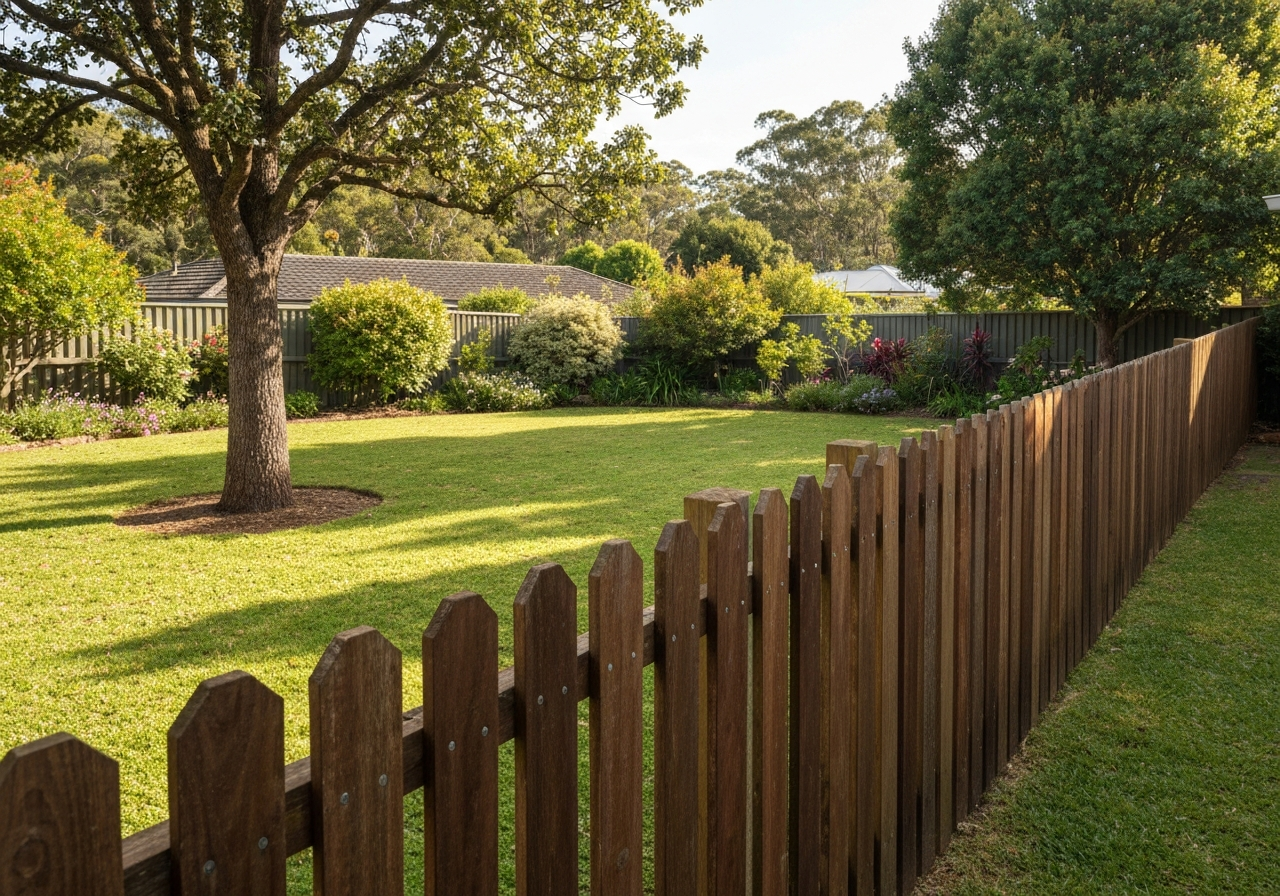
Front fences on old houses are painted most of the time. White is common, but it is not the only solution. Creams, pale grays, and soft environment-friendlies drawn from period combinations can soften sunlight glare and make a patio pop. Black or really dark eco-friendly on wrought profiles really feels appropriate in several districts. Discoloration belongs extra in the backyard; transparent stain on a front picket can review brand-new and unfinished unless your home is a rustic farmhouse.
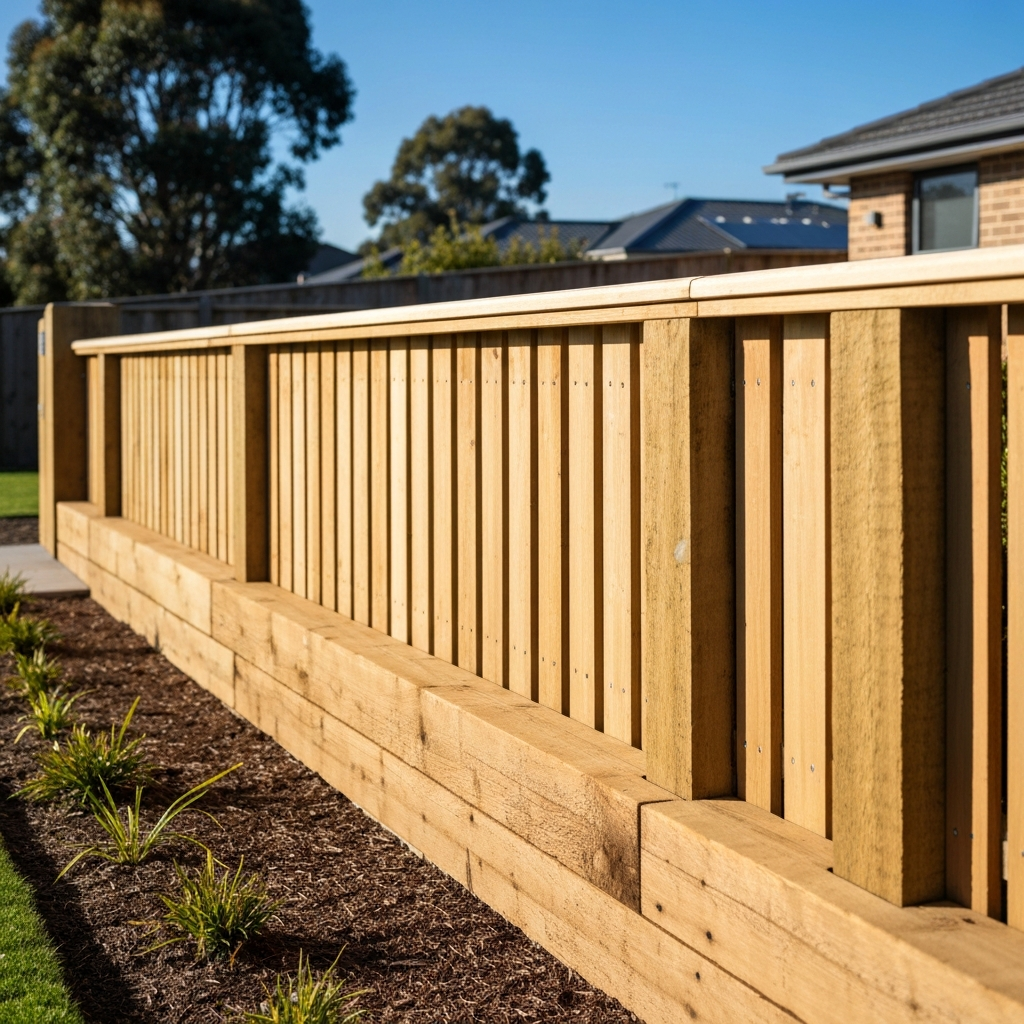
A trick that saves upkeep is pre-priming cut ends and all-time lows of pickets with an oil-based primer, also if you completed with a top notch waterborne topcoat. Completion grain near the bottom beverages water unless you seal it. We set pickets a half inch off any stonework base and at least 2 inches off quality. Cap the blog posts with an incline or a copper cover. Water is the only long-lasting opponent of timber fencings if you select the appropriate varieties. Do not catch it.
Safety and personal privacy without shouting
Many customers desire even more privacy than a 42 inch picket uses, yet a high wall surface at the road is hardly ever right on an old house. You can flex light and sight with planting and layout. A front backyard with a 36 inch fencing and a limited bush simply inside filters views while maintaining the historic rhythm of pickets and messages. In the yard, if you need a six foot screen, differ the surface area. A board-on-board with a 1 inch disclose every 3rd board breaks the pillar and reads much less like a barricade. Lattice on top can be period proper for late nineteenth century homes, if you choose a square or angled pattern that matches veranda details.
Security does not need to resemble safety and security. Lockable entrances with concealed locks, a two-rail fence that dissuades rising by removing toe-holds near the top, and a clear view from the house to the road offer you actual deterrence. In cities, I typically run a 48 inch front fencing with larger blog posts at the corners and a straightforward entrance that locks night. That setup has maintained bundles safe on three various jobs without making the frontage really feel fortified.
Choosing the appropriate pro, exactly how a Fencing Contractor makes trust
Historic job divides Fence Contractors who understand packages from those who can construct. Ask to see at least 2 jobs the company completed in a heritage district five or even more years back. If the rails still sit straight and the paint is limited at the joints, that group understands dampness and motion. A good Fencing company will certainly speak you out of shortcuts that look penalty on the first day and stop working by year three. They will certainly suggest a mockup, even a tiny one, so the compensation and you can evaluate picket profiles, spacing, and finish completely scale.
When you speak with a fence installer, pay attention for persistence. If they talk about pounding messages in a day and completing the next, go on. Old ground attacks quick teams. A skilled fencing installer prepare for 2 or three shocks per residential property line and develops time to fix them. I spending plan a backup of 10 to 15 percent for heritage tasks, and I inform clients where we are most likely to invest it, generally concealed energy work, personalized millwork for caps and accounts, and added site protection.
Companies that do this work well bring allied professions. A mason for low plinths, a millworker for custom-made caps, a painter who knows historic shades, and often an arborist. That network is the difference between a fence that looks bolted on and one that feels like it was constantly there.
Jobsite conduct on vulnerable sites
Heritage homes can be breakable outside your house. Block walks float on sand. Cast iron hand rails break if you lean a panel versus them. Gardens might lug treasure plants without any replacements in nurseries. On these websites, staging is as important as carpentry.
We run ground protection mats anytime we bring a device onto a lawn. We tie back hedges, wrap tree trunks, and develop plywood paths where we pass typically. Debris leaves the site every day. I have learned to stock burlap and twine to bundle old pickets and rails, so the truck loader does not gouge the bark of a magnolia simply to get a grasp. A Fencing Contractor that cleanses as they go and brings back ground clinical depressions gains lifelong recommendations in historic districts.
Budgeting for the lengthy view
Authentic work prices extra in advance yet acquires you time later. Anticipate a front surround repainted cedar with stainless fasteners and custom caps to run 20 to 40 percent greater than a standard pressure-treated option. Wrought-style aluminum can really feel pricey, but the upkeep cost savings over two decades is actual. Customized masonry bases and helical piles enhance expenses when trees or soil determine them, yet they stop the most pricey failure of all, a fencing that heaves and turns within 5 winters.
Phasing can assist. Total the front run and entrances initially to satisfy the payment and provide the house its face. Come back for the side and rear lines in a second phase. This strategy smooths cash flow and allows you study exactly how the initial section weathers for a period before matching details elsewhere.
Keeping it lovely, maintenance that fits the era
An upkeep strategy is part of the work. Plan on a walk-around two times a year. In spring, check fence lines for winter months heave, re-seat any kind of loosened article skirts, and repair paint where joints move. In loss, clear particles at the base, trim plantings 6 inches off the fence, and oil latches and pivots. Painted timber may need a complete coat every 6 to 8 years depending on sun and watering. Do not let creeping plants climb up a picket fencing at the street. Wisteria and ivy can pry joints apart no matter exactly how good your adhesive and fasteners are.
Hardware desires love. A bit of beeswax on lock tongues keeps movement smooth. If you made use of bronze or brass, allow it patinate or polish it every year, but choose a lane. Half-polished hardware looks neglected.
For aluminum or steel, hose off de-icing salts in spring. Powder layer lasts, however salt and plant food shorten its life if you allow them rest. For masonry bases, seal the cap if it is porous stone, never the faces, and repoint with mortar that matches initial hardness. Too hard a mortar will fracture old bricks.
Two case studies from the field
A high Italianate on a corner whole lot required personal privacy for a new outdoor patio without breaking the district's front-yard transparency policy. The compensation permitted 42 inches at the front and 6 feet behind the front altitude. We set a square picket at 40 inches with a simple leading cap along the road, articles at 7 feet on facility to match home window rhythm, and a pair of 48 inch brick piers flanking an entrance straightened with the front walk. Just behind the house edge we stepped up to a 6 foot board-on-board with a 12 inch square lattice panel on the top, squares established on the diagonal to echo the porch skirt. The customer obtained personal privacy where it mattered, the street kept its lines, and the whole run appeared like one thought.
A farmhouse from the 1860s rested behind a dry-laid stone wall surface that had slumped. The owner wanted to maintain the wall surface however include a fence to keep pet dogs in. We restored the leading two programs of rock and installed a hidden steel channel simply behind the wall surface, secured on helical heaps outside the root area of a 100 year old oak. We after that set cedar articles on steel braces that rose from the network and put pickets just inside the stone. From the road you saw a tidy stone cap and the tops of light pickets, absolutely nothing even more. Inside the backyard the canines mored than happy, and the oak's origins never saw a shovel.
The pulse of the street
Historic communities share something modern-day neighborhoods commonly miss, the rhythm of a walkable street. A correctly developed fence respects that pulse. It slows down automobiles, frames stoops, holds the fragrance of lilacs in spring, and whispers a border without hardening hearts. When a Fencing company aligns pickets with porch articles and keeps an entrance latch design from the right period, it is not about preciousness. It has to do with allowing a home use its age with satisfaction while handling the day-to-day work of dogs, bundles, winter months heave, and kids on scooters.
Work with a Fence Company that treats your block like a living artifact. Request for drawings that reveal proportion, not simply item SKUs. Invite your neighbors to peek at a mockup. Expect your fence installer to bring persistence and a light touch where origins and debris lie. When done right, your brand-new fence will certainly resemble it was always meant to be there, since in a manner it was, concealing in the lines of your old residence all along.